employers challenge the Bardal Factors
Employers can indeed challenge the Bardal Factors, but such challenges are typically directed toward the application and interpretation of these factors rather than the factors themselves. Bardal Factors, established in the Canadian case Bardal v. Globe & Mail Ltd., serve as a guideline for courts in determining reasonable notice periods or severance pay when an employee is wrongfully dismissed. These factors—age, length of service, character of employment, and availability of similar employment—help ensure fair treatment of employees upon termination. However, employers sometimes dispute how these factors apply in specific cases, especially when they believe the resulting notice period is excessive or unfair.
The Bardal Factors are not rigid rules but rather flexible considerations intended to balance fairness between employer and employee. Because of this inherent flexibility, employers often challenge the weight or relevance given to one or more of these factors in their particular case. For example, an employer may argue that the employee’s age should not significantly increase the notice period because the employee possesses skills that make re-employment easy. Alternatively, employers may dispute the length of service if there were interruptions or if the employee had limited impact within the company. Challenging these interpretations is a way employers seek to reduce their liability and the financial burden associated with long notice periods.
Another common point of challenge relates to the character of employment. Employers may contend that an employee’s role, responsibilities, or seniority do not justify the length of notice suggested by Bardal Factors. For example, they might argue that an employee’s position was relatively junior or that the employee was easily replaceable, which could warrant a shorter notice period. Employers often highlight these aspects to demonstrate that the Bardal Factors, when properly applied, should result in a more limited notice requirement.
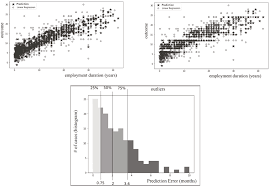
Can employers challenge the Bardal Factors?
The availability of similar employment is another Bardal Factor frequently contested by employers. They may argue that the job market is robust and that the dismissed employee can easily find comparable work, thus justifying a shorter notice period. In such cases, employers present evidence about the local economy, industry trends, or the employee’s qualifications to challenge the assumption that long notice is necessary. This factor allows employers to frame the dismissal as less harmful, reducing the scope of severance owed.
Despite these challenges, it is important to note that courts have the final say in how Bardal Factors are applied. While employers can present evidence and arguments to challenge the interpretation of these factors, judges will assess all aspects of the case and determine what constitutes reasonable notice in the circumstances. Courts strive to balance employer and employee interests fairly, often giving considerable weight to Bardal Factors because they reflect well-established principles of employment law.
Employers might also challenge Large severance package for short-term executive indirectly by arguing that an employee was dismissed for just cause or that there was a valid contractual clause limiting notice. In such situations, the relevance of Bardal Factors diminishes because reasonable notice might not apply or is constrained by contract. These challenges highlight strategic legal avenues employers use to minimize their obligations.
In conclusion, employers can and do challenge Bardal Factors, primarily focusing on how the factors are interpreted and applied in individual cases. They may dispute the relevance of age, length of service, character of employment, or availability of similar work to reduce their notice obligations. While Bardal Factors remain a guiding framework, the flexibility in their application allows for meaningful legal debate, with courts ultimately deciding what constitutes fair notice. This dynamic ensures that Bardal Factors serve as a balanced tool rather than an inflexible mandate.