The Evolution of Autos: A Journey Through Innovation and Impact
The auto industry has been one of the most transformative sectors in the modern world, influencing everything from the global economy to the way we live, work, and travel. From the creation of the first automobiles to the rise of electric and autonomous vehicles, the auto industry has consistently driven innovation and shaped society in profound ways. Today, autos are at the center of technological advancements, sustainability efforts, and social change, creating an exciting landscape for both manufacturers and consumers.
The Birth of the Automobile
The history of the automobile dates back to the late 19th century when the concept of self-propelled vehicles first came to life. While there were various inventors working on steam-powered vehicles, it was Karl Benz who is widely credited with inventing the first true automobile in 1885-1886. His Benz Patent-Motorwagen, powered by an internal combustion engine, laid the foundation for the auto industry as we know it today. Soon after, Henry Ford revolutionized the industry with the introduction of the assembly line in 1913, drastically reducing production costs and making cars affordable for the average consumer. Ford’s Model T became a symbol of innovation and mass production, making automobiles more accessible and accessible to people worldwide.
The Golden Age of Autos
Following the mass production of cars, the 20th century saw an explosion of innovation and competition in the auto industry. Major automakers like General Motors, Chrysler, and Ford in the United States, along with manufacturers such as Mercedes-Benz and Volkswagen in Europe, contributed to a global automotive boom. This period marked the golden age of the automobile, with iconic designs like the Chevrolet Corvette, Cadillac, and the Volkswagen Beetle becoming household names.
The automobile also began to play a major role in shaping the way people lived. Car ownership became a symbol of freedom and prosperity, and the widespread availability of cars led to the development of highways, suburban areas, and car-centric cities. Road trips became a cultural pastime, and driving itself was seen as an enjoyable, liberating experience.
Environmental Challenges and the Shift to Sustainability
However, by the latter part of the 20th century, the environmental impact of autos began to raise concerns. The rise in air pollution, traffic congestion, and dependence on fossil fuels prompted governments, activists, and automakers to rethink the future of transportation. The push for cleaner, more sustainable vehicles led to the development of electric vehicles (EVs), hybrids, and alternative fuel sources.
In recent years, the auto industry has made significant strides in reducing emissions and improving fuel efficiency. Electric vehicle manufacturers like Tesla have taken the lead in advancing battery technology, with many traditional automakers following suit. Governments around the world are also offering incentives for consumers to purchase EVs, and some countries have set ambitious goals to phase out gasoline-powered cars entirely in the coming decades. The shift toward sustainability is not just about the vehicles themselves but also the infrastructure needed to support them, such as charging stations and renewable energy sources.
The Rise of Autonomous and Connected Vehicles
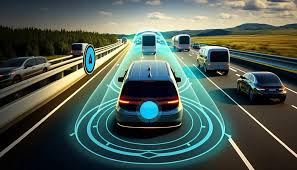
Looking toward the future, one of the most exciting developments in the auto industry is the rise of autonomous vehicles (AVs). Self-driving cars, powered by artificial intelligence and advanced sensors, have the potential to transform how we think about transportation. Companies like Waymo, Tesla, and many others are making strides in developing fully autonomous cars, which could reduce traffic accidents, improve traffic flow, and revolutionize the concept of mobility.
Alongside autonomous technology, the concept of connected vehicles is gaining traction. Cars are becoming smarter, with features like real-time navigation, voice control, and over-the-air software updates. This connectedness also allows vehicles to communicate with each other and with infrastructure, creating a safer and more efficient transportation network.
Conclusion
In conclusion, the world of autos has come a long way from its humble beginnings, and it continues to evolve at a rapid pace. The automobile has had a profound impact on society, reshaping economies, cities, and cultures. Today, as the industry embraces sustainability, autonomy, and connectivity, it is clear that the future of autos holds even more exciting possibilities. Whether it’s the drive for cleaner energy, the push for self-driving technology, or the integration of smart features, the automobile remains a symbol of innovation, mobility, and progress. The journey of autos is far from over, and as new technologies emerge, we can expect the auto industry to continue shaping the way we live and interact with the world around us.